

Wheat
-

Mondelēz’s Harmony evolves into independent wheat sustainability initiative
The initiative has grown from a company-led sourcing project into a wider agricultural programme involving more than 1,200 farmers committed to sustainable wheat cultivation practices across Europe.
-

Italian soft wheat flour exports rise 14.8% as US demand accelerates
This growth pushes year-end projections toward the 400,000-ton mark, according to ITALMOPA, the Italian Association of Industrial Millers.
-
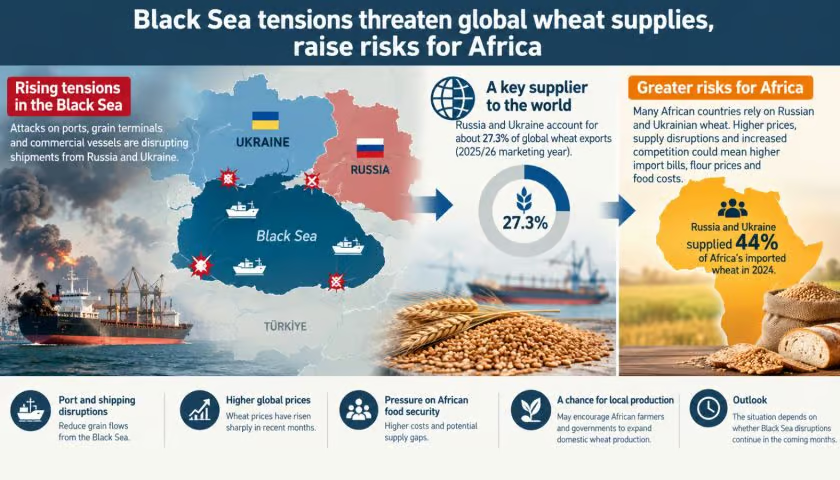
Black Sea tensions threaten global wheat supplies, raise risks for Africa
Black Sea tensions are putting fresh pressure on global wheat supplies, with disruptions to Russian and Ukrainian exports creating risks for import-dependent markets across Africa.
-

Nigeria accelerates drive to meet soaring domestic wheat demand
Nigeria is intensifying efforts to bridge the widening gap between domestic wheat production and surging consumption, even as imports remain the primary source of supply.
-
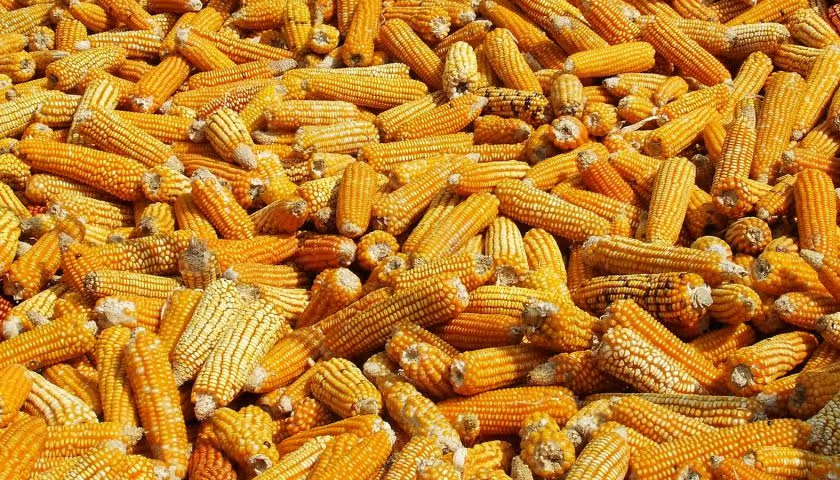
Maize set to overtake wheat as Egypt’s leading imported cereal amid feed demand rise
The shift highlights a changing structure in Egypt’s grain market: wheat remains the country’s most strategically important food crop, but rising demand for poultry and livestock feed is increasing the need for imported maize.