

Fertilizer
-
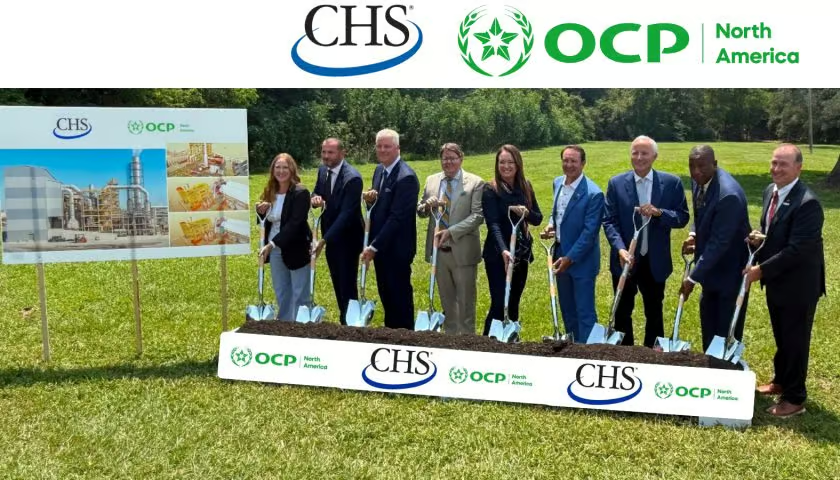
CHS, OCP launches US$450M fertilizer joint venture to strengthen US phosphate supply
The proposed plant is expected to produce more than 1 million metric tonnes of phosphate-based fertilizer annually, creating a substantial new source of domestically manufactured crop nutrients for American farmers.
-
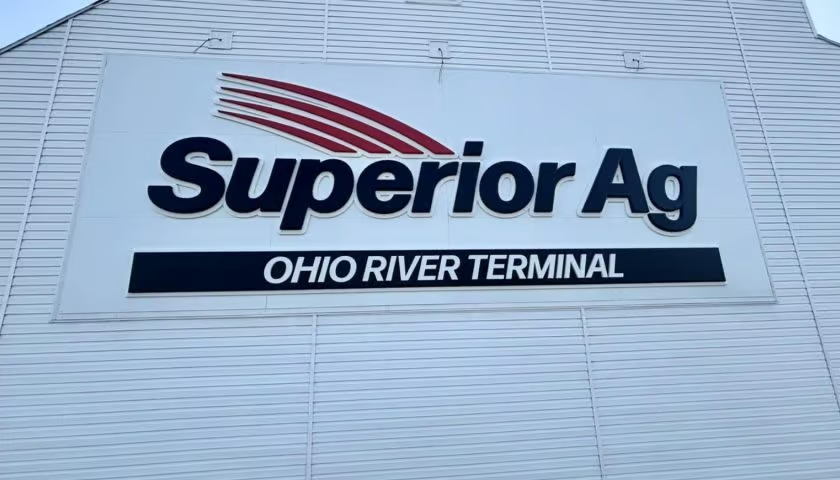
Superior Ag opens new US$20M fertilizer river terminal
The facility features modern unloading, storage and handling capabilities designed to improve operational efficiency while increasing fertilizer availability during critical application windows.
-

Oman secures US$105M integrated fertilizer complex
The project is expected to manufacture a range of fertilizer and industrial products for domestic and international markets.
-

India turns to African fertilizer producers as Hormuz disruptions reshape supply chains
The move comes as the conflict involving Iran, Israel and the United States has disrupted shipments through the Strait of Hormuz since late February, exposing vulnerabilities for India as the world’s most populous country, the second-largest fertilizer consumer, and a major agricultural producer.
-

Study warns fertilizer subsidies alone may limit Tanzania’s farm growth over time
New research says Tanzania should match fertilizer subsidies with stronger investment in irrigation, research and improved seeds to support lasting agricultural growth.